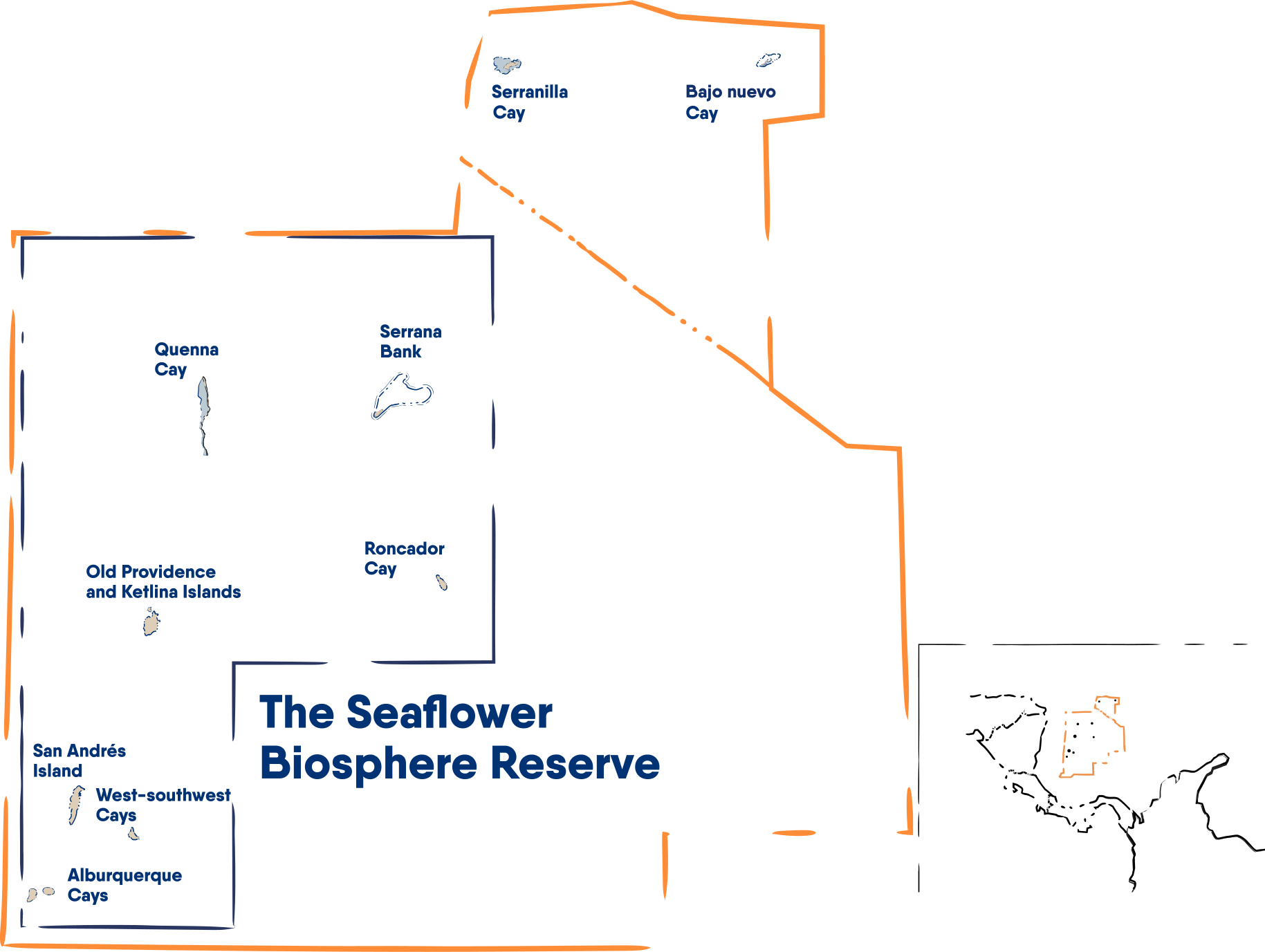
Join the conservation efforts to preserve the coral reefs of the San Andrés, Providencia, and Santa Catalina archipelago.
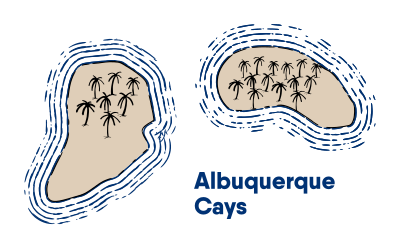
Cay
Albuquerque
The only circular atoll in the archipelago. Its seagrass meadows provide an essential habitat for marine turtles, serving as a key feeding ground.
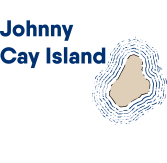
Johnny Cay
It is an islet of approximately 4.5 hectares that is part of the Regional Natural Park of the same name, which includes terrestrial and marine areas within the Seaflower Biosphere Reserve, conserving biodiversity, coral and coastal ecosystems, and contributing to sustainable tourism in San Andrés
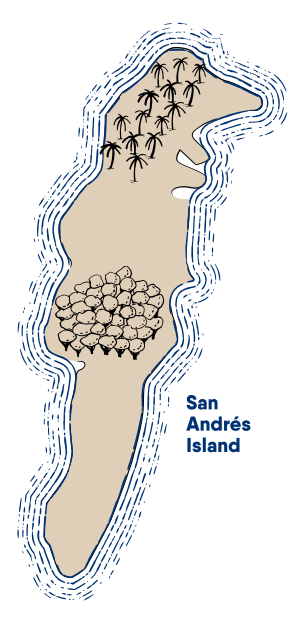
San Andrés Island
In San Andrés, marine and underwater ecosystems are vital for the local population’s livelihood. Coral reefs provide food, employment, and serve as natural factories for the fine white sand beaches that attract hundreds of visitors daily.
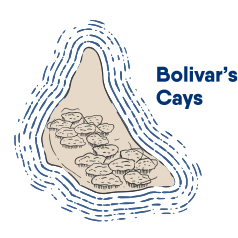
Bolivar's Cays
Also known as Courtown or Bolívar Cays, these islands feature a unique and unusual reef environment due to their kidney-shaped formation, which is part of an atoll.
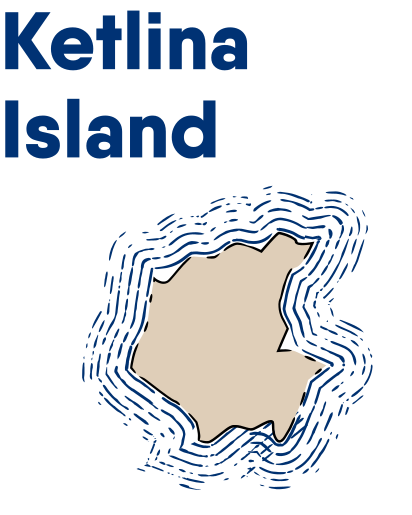
Ketlina Island
This island serves as a sanctuary for a wide variety of marine species, all competing for the best spots on the reef. In the past, it was the perfect hideout for pirates and buccaneers.
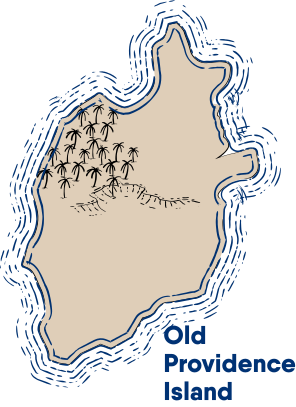
Old Providence Island
Surrounded by a 32-kilometer coral reef barrier—the second-largest in the Caribbean and in good conservation status—Providencia is the only high volcanic island on the Mesoamerican terrace. Its stunning beauty and biodiversity stretch from its mountain peaks to the ocean floor, forming the heart of the Raizal people’s heritage.
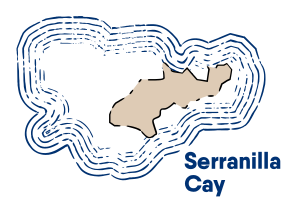
Seranilla Cay
Home to 68 bird species, 80% of which are migratory and 20% are resident seabirds. This area is also recognized as a shark refuge due to its high biodiversity and abundance.
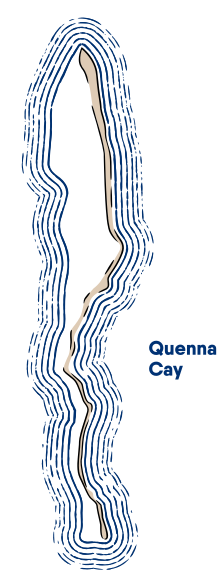
Queena Cay
Known in Spanish as Quitasueño, this is the largest atoll in the archipelago. It features a coral reef that developed around a volcanic island, which gradually sank over time.
Bajo Nuevo Cay
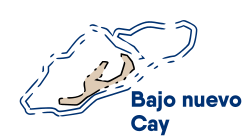
Its coral reefs boast some of the highest live coral cover in the Caribbean, including endangered species such as elkhorn (Acropora palmata) and staghorn (Acropora cervicornis) corals.
Serrana Cay
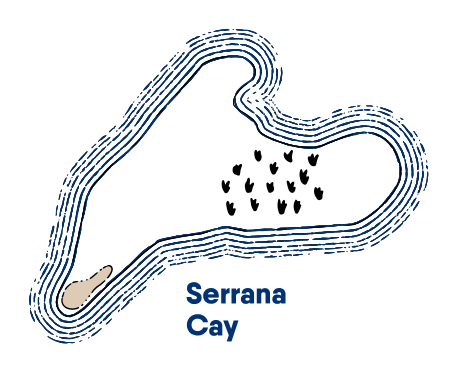
The largest cay in the archipelago, featuring sand dunes over 10 meters high and rich vegetation. It is home to local and migratory seabirds, such as gulls and boobies. It also serves as a crucial nesting site for sea turtles and is the habitat of the caracol pala (West Indian chank), which can be harvested only through artisanal fishing.
Roncador Cay
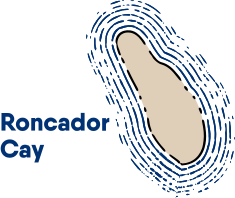
Formed primarily by coral fragments, this cay is extremely rocky, with just a small sandy beach. Its rocky surfaces provide the perfect nesting ground for booby birds.